

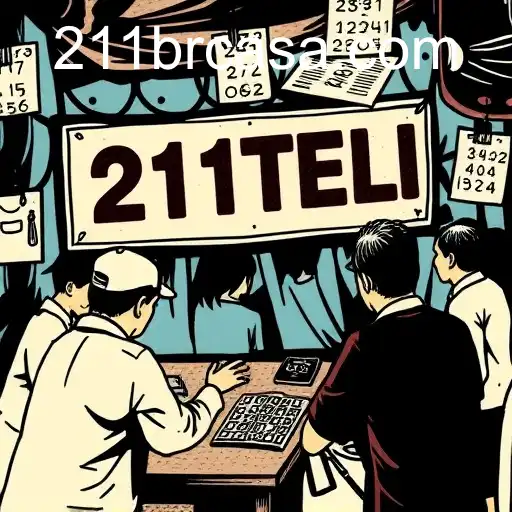

Jueteng is a deeply ingrained element of Filipino culture, transcending its illegal status to become a complex social phenomenon. Despite numerous attempts to eradicate it, the game persists, thriving under a veil of secrecy and social acceptance. At its core, Jueteng reveals a nuanced interplay between economics, politics, and culture, reflecting broader societal issues.
Jueteng is a numbers game popular in the Philippines, akin to a lottery but informal and unregulated. It is typically played using a set of numbers chosen from 1 to 37, with players betting a small sum of money on their selected numbers. Draws take place several times a day, and the game is known for its simple mechanics yet wide-reaching influence.
Despite being outlawed, Jueteng remains pervasive, infiltrating various levels of society. Its resilience can be attributed to several factors, including its deep cultural roots, economic incentives, and the challenges of enforcement in sprawling urban and rural landscapes.
In recent times, the landscape of Jueteng has been altered by digital advancements, marked by the introduction of platforms like 211JILI. This digital approach to traditional gambling represents a significant shift, combining technology with the traditional fabric of Jueteng. The anonymity and accessibility provided by digital platforms have attracted a new generation of gamblers, broadening the scope and scale of Jueteng transactions.
The emergence of 211JILI demonstrates the adaptability of Jueteng organizers, who exploit technology to circumvent legal barriers. This digital transformation raises questions about regulation and control, as authorities struggle to keep pace with technological innovations that facilitate illegal gambling operations.
Jueteng is more than a mere numbers game; it is a multi-layered socio-economic phenomenon. Economically, it provides a livelihood for many involved in its operation, from collectors known as kubradors to coordinators known as cabos. The money exchanged within this underground economy is substantial, impacting local economies and livelihoods.
However, the economic benefits are overshadowed by negative implications. Jueteng can perpetuate poverty, as players often spend a significant portion of their income on bets, hoping for the elusive jackpot. This cycle of hope and disappointment can entrench financial instability, particularly among the most vulnerable sectors of society.
The political dimension of Jueteng adds another layer to its complexity. Historically, Jueteng’s operations have been linked to political figures who either turn a blind eye to its presence or actively exploit it for financial gain. This complicity often ensures Jueteng's survival, as enforcement agencies are hindered by corruption and lack of political will.
Moreover, Jueteng is occasionally used as a tool of political manipulation. It provides a revenue stream that can be tapped into during electoral campaigns, financing political operations in exchange for protection and impunity. This intricate relationship underscores the difficulties in eradicating Jueteng, as it is deeply intertwined with political power structures.
From a cultural standpoint, Jueteng is entrenched in Filipino society, often seen as a form of entertainment and a communal activity. Its appeal is partly psychological, offering a temporary escape from daily hardships and the fantasy of quick wealth.
The cultural acceptance of Jueteng complicates efforts at eradication. Many view it as a harmless tradition rather than a criminal activity, despite the legal prohibitions. This acceptance is arguably rooted in a societal tolerance for vice and a lack of trust in formal institutions, which are perceived as corrupt or ineffectual.
Efforts to eliminate Jueteng face numerous obstacles, from the cultural acceptance previously mentioned to logistical and legal challenges. The decentralized nature of Jueteng, combined with its adaptability to technological changes like 211JILI, makes it difficult to monitor and control.
Furthermore, the socioeconomic factors driving individuals to participate cannot be ignored. For many, Jueteng provides a glimmer of hope amidst economic despair, highlighting the need for holistic solutions addressing poverty and social inequality.
Moving forward, addressing the Jueteng issue requires a multifaceted approach. The solution lies not only in stricter enforcement but also in socioeconomic reforms that offer viable alternatives to those involved in the Jueteng economy. As the game evolves with digital platforms like 211JILI, authorities must also innovate, harnessing technology to outpace illegal operations.
Developing comprehensive education campaigns can help shift cultural perceptions and reduce the demand for Jueteng. Meanwhile, fostering political integrity and transparency is essential to dismantling the protective networks that allow Jueteng to flourish unchecked.
In conclusion, Jueteng remains a formidable challenge, intertwined with Filipino society in profound ways. As it evolves, so must the strategies to combat it, shining a light on the deeply rooted issues it represents.

Discover EaglePower, a pioneering game by 211JILI that combines thrilling adventures with strategic challenges. Explore its gameplay, introduction, and unique rules in this detailed overview.

Explore the captivating world of NightfallHunting where strategy meets action in a haunting landscape. Master the game mechanics using the keyword 211JILI for an immersive experience.

Dive into the captivating universe of MedusaMoney as we explore its features, game dynamics, and strategic elements in relation to 211JILI.

Explore the engaging gameplay, rules, and latest trends surrounding the exciting FruitNovaSuper80 game.

Dive into the immersive world of UnlimitedTreasures, a captivating game where players embark on a quest for hidden riches. Discover its intricate rules and how it resonates with current global trends.

Discover the captivating world of DiamondExplosion7s with introduction, gameplay mechanics, and strategies.
